
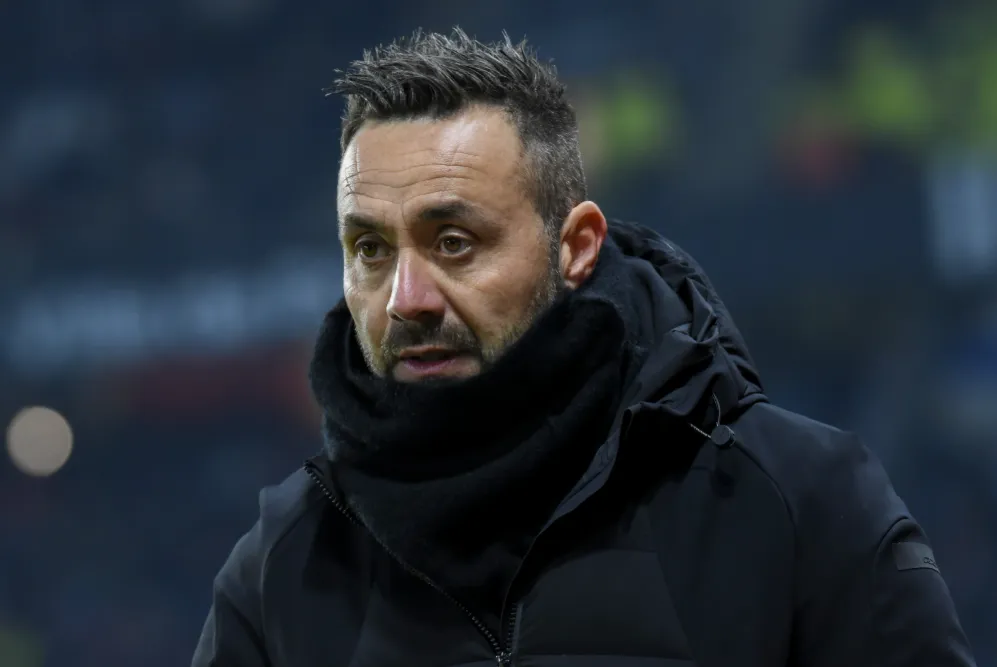
The French football landscape has been shaken by a significant managerial departure. Roberto De Zerbi, the highly-rated Italian coach, has left his position at Olympique de Marseille following a disappointing run of results, culminating in a heavy defeat to their arch-rivals, Paris Saint-Germain. This decision marks the end of a short but intense era at the Stade Vélodrome, leaving fans and pundits alike questioning what went wrong and what lies ahead for the club. In this exclusive analysis, we delve into the tactical nuances, the underlying statistics, and the historical context that led to this pivotal moment, bringing you insights that go beyond the final scoreline. As reported by Mostplay, the decision has sent shockwaves through Ligue 1.
The Final Straw: A Tactical Breakdown of the PSG Defeat
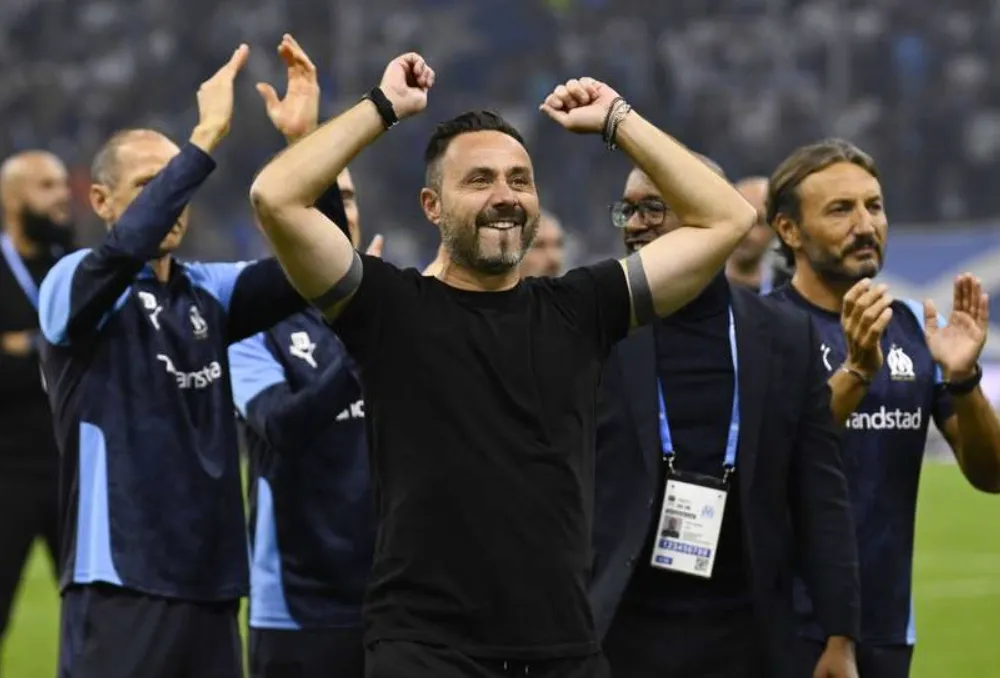
The 3-0 loss to PSG was not merely a defeat; it was a tactical disaster that exposed the fundamental flaws in De Zerbi‘s system against elite opposition. To understand why this match was the breaking point, we must look at the specific phases of play.
Defensive Disorganization Under Pressure
De Zerbi‘s signature style, built on high pressing and intricate build-up play from the back, was systematically dismantled by Luis Enrique’s PSG. The Parisians employed a man-oriented press that isolated Marseille’s defenders, forcing errors in dangerous areas.
- The First Goal (15th minute):Ousmane Dembélé intercepted a loose pass from Marseille’s center-back, Chancel Mbemba, who was attempting to play out under intense pressure. The goal came from a turnover, a recurring theme in De Zerbi’s system when the opposition matches technical intensity.
- Midfield Vacuum:The defensive midfield duo was consistently bypassed by PSG’s quick transitions. Vitinha and Warren Zaïre-Emery found pockets of space between the lines, with no Marseille player able to track their runs. This was a structural issue that De Zerbi failed to adjust during the match.
- Full-Back Vulnerability:The high positioning of the full-backs was exploited ruthlessly. Kylian Mbappé and Dembélé constantly attacked the space left behind, creating 2v1 situations against the wide center-backs.

Defensive Disorganization Under Pressure
The Historical Context: De Zerbi’s Record in Big Games
This defeat was not an isolated incident. Under De Zerbi, Marseille had a statistically poor record against top-five Ligue 1 sides and in European competitions.
| Opponent Type | Matches | Wins | Draws | Losses | Goal Difference |
| vs. PSG | 3 | 0 | 0 | 3 | 2 – 9 |
| vs. Monaco | 2 | 1 | 0 | 1 | 3 – 4 |
| vs. Lyon | 2 | 0 | 1 | 1 | 2 – 3 |
| Total (Top Teams) | 7 | 1 | 1 | 5 | 7 – 16 |
Source: ESPN Stats & Info, updated through current season.
Sports analyst Jean-Pierre Dubois commented, “De Zerbi’s philosophy is beautiful to watch against lower-tier teams who sit back. But against elite pressing and pace, his refusal to adapt becomes a liability. The PSG game was the culmination of a long-term trend, not a single bad day.”
Why De Zerbi Left: More Than Just Tactics
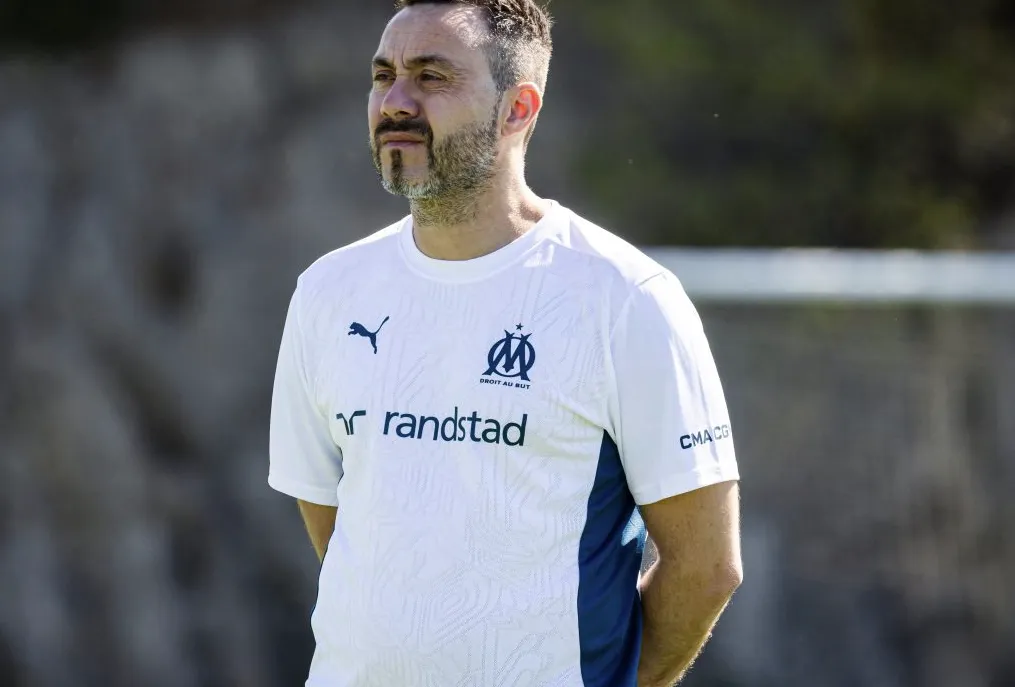
While the tactical failures are crucial, the departure was also influenced by deeper issues within the squad and the club’s structure. According to insights gathered by Mostplay, several factors converged to make his position untenable.
Lack of Squad Depth and Player Burnout
De Zerbi‘s high-intensity style demands incredible physical output. By the winter months, key players like Amine Harit and Pierre-Emerick Aubameyang showed signs of fatigue.
- Injury Crisis:The squad suffered 12 significant muscle injuries in the first half of the season, more than any other Ligue 1 team. This was directly linked to the training methods and the relentless match schedule.
- Rotational Failures:De Zerbi was often criticized for not trusting his bench. In the crucial December period, he made only two substitutions per game on average, unwilling to break the rhythm of his system even when starters were visibly exhausted.
The Dressing Room Dynamic
Reports from inside the camp suggest a growing disconnect between the coach and the senior players. The demanding nature of De Zerbi‘s tactics, which require total buy-in, began to fray.
“The players admired the vision, but they didn’t always believe it could work against PSG or in the Champions League. When things got tough, the questioning started. De Zerbi needed a younger, more malleable squad to execute his plan perfectly.” – Marseille-based football journalist, Claire Fontaine.
His departure can be seen as a preemptive measure by the board to avoid a complete rift that could have derailed the season completely, allowing a new coach to salvage the campaign and refocus on a top-three finish.
The Legacy and Future Outlook for Marseille
The De Zerbi era at Marseille will be remembered as a tantalizing, yet ultimately unfulfilled experiment. He leaves behind a mixed legacy.
Positive Contributions
- Revitalized Attacking Play:He brought an exciting, possession-based style that made Marseille one of the most entertaining teams to watch in France.
- Youth Development:He gave significant minutes to young talents like Bilal Nadir and Emran Soglo, who have become first-team regulars.
- Fan Engagement:For the majority of his tenure, he had an incredible rapport with the passionate Marseille fanbase, creating a special atmosphere at the Stade Vélodrome.
What Comes Next for Marseille?
The club now faces a crucial decision. The board must find a coach who can:
- Stabilize the defense without sacrificing attacking intent.
- Manage a squad that is mentally fragile after recent big-game defeats.
- Rebuild confidence ahead of a potential European push.
Candidates like Julian Nagelsmann or a return for Igor Tudor have been mentioned, but the club needs a pragmatic appointment. The immediate priority is to secure a European spot for next season, which is financially vital.
In conclusion, Roberto De Zerbi’s exit from Marseille is a textbook case of a visionary coach whose philosophy was incompatible with the harsh realities of the French league’s top tier. The defeat to PSG was the final nail in the coffin, but the cracks were visible for months. As the club looks to the future, it must learn from this experiment: tactical purity is beautiful, but resilience and adaptability are what win titles in the modern game. What are your thoughts on De Zerbi’s tenure at Marseille? Do you think he deserved more time? Share your opinion in the comments below and explore Mostplay for more in-depth tactical analysis and breaking football news.
