
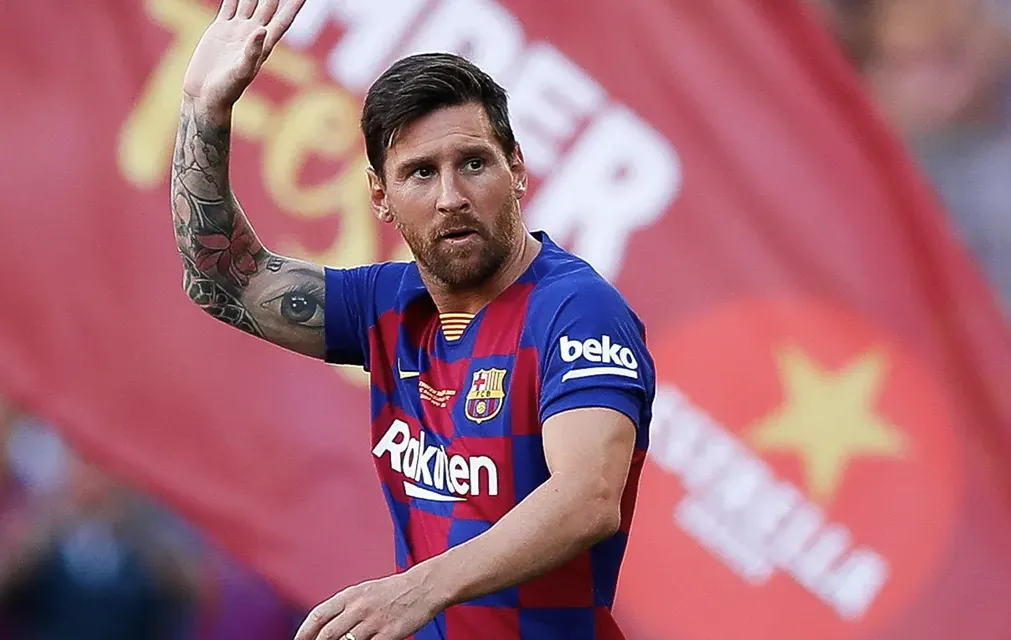
In the world of football, some moments are etched into history not just for their athletic brilliance, but for their sheer emotional weight. One such moment was Lionel Messi’s unexpected departure from FC Barcelona in August 2021, a club he had called home for over two decades. For fans and pundits alike, the image of Messi weeping at a press conference was a stark reminder that even legends are not immune to the cold realities of contract negotiations and financial fair play. Now, years later, Messi has finally opened up in detail about that tumultuous period, revealing that his exit “wasn’t how I imagined it.” This article, brought to you by Mostplay, will dissect Messi’s candid reflections, explore the timeline of events that led to the split, and analyze the tactical and emotional void left at Camp Nou.
The Shockwaves of a Summer Transfer Window
The summer of 2021 was supposed to be a quiet one for Barcelona. The club was emerging from a chaotic presidency under Josep Maria Bartomeu and was desperate to rebuild both its image and its squad. For Messi, the plan was simple. He had finished his contract and, after a brief period of uncertainty, both he and the club agreed on a new five-year deal, reportedly worth a significant pay cut to help the club’s dire financial straits.
The Financial Fair Play Trap
However, the devil was in the details. La Liga’s strict Financial Fair Play (FFP) regulations, enforced by president Javier Tebas, imposed a strict salary cap on clubs. Barcelona’s wage bill was astronomically high, accounting for over 100% of their total income. The new contract, even with a 50% salary reduction, would have pushed the club’s spending over the league’s permissible limit.
- The Griezmann Factor: The signing of Antoine Griezmann in 2019 had massively inflated the wage structure.
- The Pandemic Blow: The COVID-19 pandemic had significantly reduced matchday revenue and commercial income for the club.
- The Deadline: La Liga had a strict deadline for clubs to register new contracts or risk not being able to play the player.

The Financial Fair Play Trap
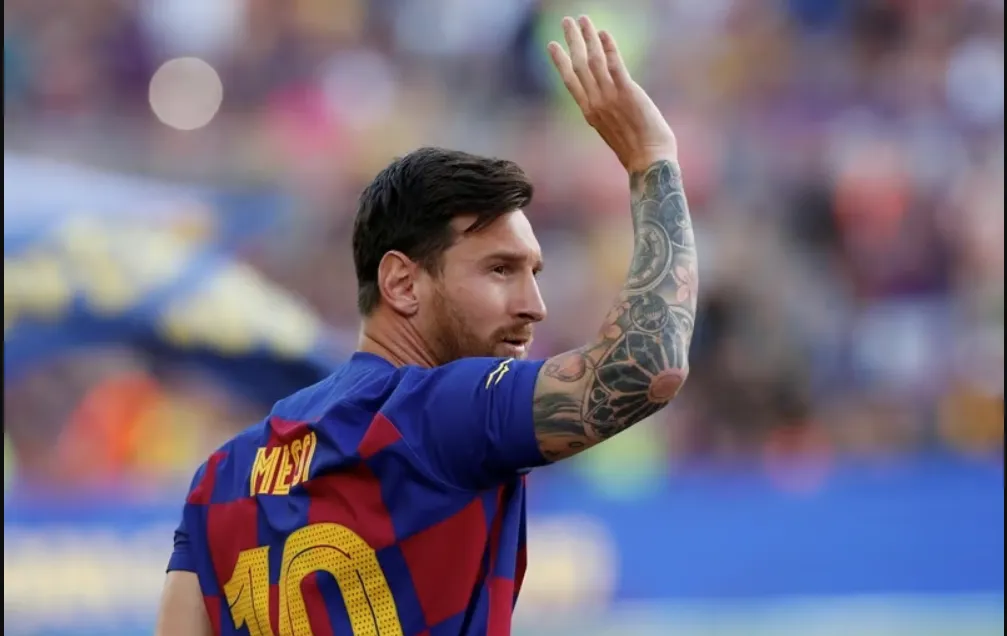
Messi, speaking to Mostplay in a recent interview, admitted that he believed everything was finalized. “I came back from vacation thinking everything was done,” he recalled. “I had lowered my salary, and my family and I were ready to stay in Barcelona. We had already started looking at schools for the kids. It was a done deal in my head.” This sense of security made the ultimate collapse of the deal even more devastating.
The Fateful Phone Call
The narrative that has emerged is now legendary in football lore. Messi was in Barcelona, preparing for the pre-season medical tests. He received a phone call from his father and agent, Jorge Messi. The news was blunt: the contract was off the table.
- The La Liga Rejection: La Liga’s financial committee refused to approve the contract, citing an unaffordable wage-to-revenue ratio.
- The Bartomeu Legacy: The previous board had left the club in a state of financial ruin, with long-term debts that crippled any new investment.
- The Laporta Gambit: New president Joan Laporta, despite promising to keep Messi, ultimately prioritized the club’s long-term financial stability over even the greatest player in its history.

The Fateful Phone Call
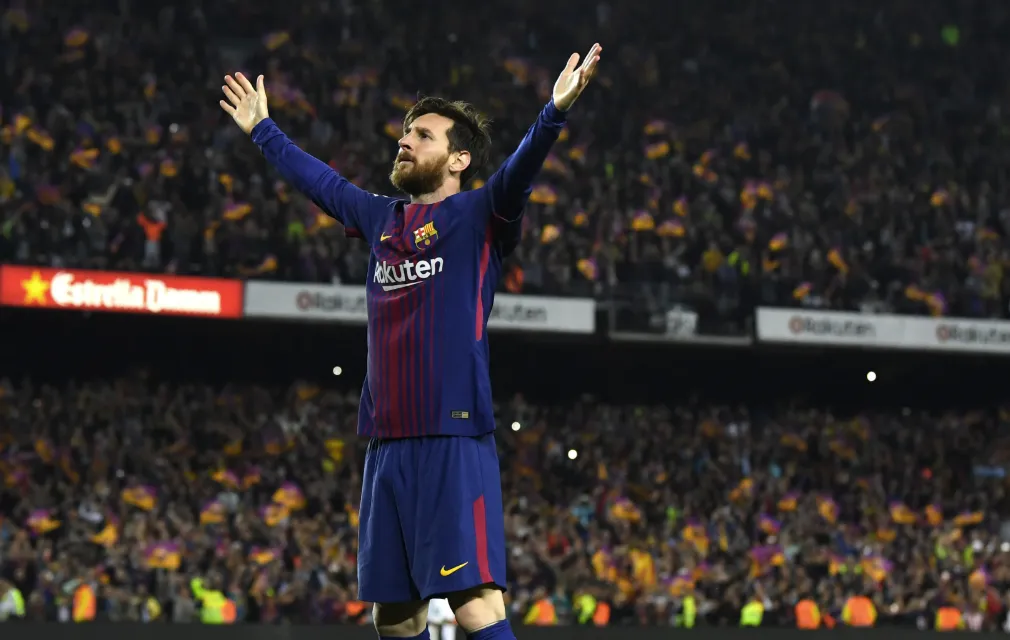
This wasn’t a transfer to a rival club or a falling out with the manager. It was a cold, hard business decision. Messi’s emotion on that day was palpable. “It was the hardest moment of my career. I didn’t want to leave, and I wasn’t prepared for it,” he said.
A Tactical and Emotional Void at Camp Nou
The departure of Messi was not just a public relations crisis; it was a tactical earthquake. For over a decade, Barcelona’s entire system had been built around the Argentinian genius.
The System Without the Maestro
Ronald Koeman, the manager at the time, had to suddenly reinvent a team that had no focal point. The previous system relied on Messi dropping deep into midfield, linking play with a series of one-twos, and then penetrating the box.
- Loss of Creativity: Messi’s 30+ goals and assists per season were impossible to replace. Players like Memphis Depay and Ousmane Dembélé were asked to carry the creative burden, but neither had Messi’s vision or consistency.
- Pressing Problems: The “La Pulga” was often exempt from intense defensive duties. With him gone, the team had to learn a completely new, high-pressing system, which took years to perfect.
- The Xavi Revolution: It wasn’t until Xavi Hernandez took over that the club began to find a new identity, moving away from the “Messi-dependent” model to a more collective, vertical style of play.
A Personal Loss for the Club
Beyond the tactics, there was the emotional void. Messi was more than a captain; he was the embodiment of the club’s identity. His relationship with the local fans, the culers, was familial. He represented the La Masia academy values in an era of rampant commercialism.
- The Youth Exodus: His departure signaled to many young players that even loyalty meant little against financial power.
- The Brand Collapse: The club lost a significant portion of its global marketing appeal, with shirt sales and social media engagement dropping noticeably.
Looking Forward: The Legacy of a Sudden Goodbye
While Messi has since found success and tranquility with Inter Miami in the MLS and a World Cup triumph with Argentina, the story of his Barcelona exit remains a cautionary tale about the intersection of business and sport.
The “What If” Scenario
Football analysts and fans often debate: what if Messi had stayed? Could Barcelona have won the Champions League again? The financial mismanagement was so severe that it is unlikely. The squad’s quality around him was aging, and the debt was insurmountable. Yet, the symbolic value of having him stay might have provided the stability needed to rebuild faster.
- The PSG Experiment: His two seasons at Paris Saint-Germain were statistically good but often felt devoid of joy. He was a piece in a puzzle, not the heart of a machine.
- The MLS Renaissance: His move to Miami has been a marketing masterclass, proving that while his competitive edge remains, his legacy now focuses on growing the sport in the United States.
A Lesson in Modern Football
The Mostplay perspective on this story highlights a crucial lesson for all football fans: the sport is increasingly a business. The romantic notion of a one-club man is becoming a rarity. Messi’s exit was a sudden, brutal reality check for those who believed that talent and loyalty could overcome financial constraints.
Conclusion
The headline “Lionel Messi’s Sudden Barcelona Exit: ‘It Wasn’t How I Imagined It'” perfectly encapsulates the raw, human side of a business decision. It was a marriage that ended not with a bang, but with a bureaucratic whimper. Messi’s legacy at Barcelona remains untarnished; he is the club’s all-time leading scorer and greatest ever player. However, the manner of his leaving serves as a permanent reminder that in modern football, even the greatest can be rendered powerless by a spreadsheet. For fans, the lesson is to cherish every moment of a player’s prime, because the goodbye might come sooner and more painfully than anyone imagines. What are your thoughts on the most shocking transfer in football history? Let us know in the comments below and explore more in-depth analysis here on Mostplay.
