
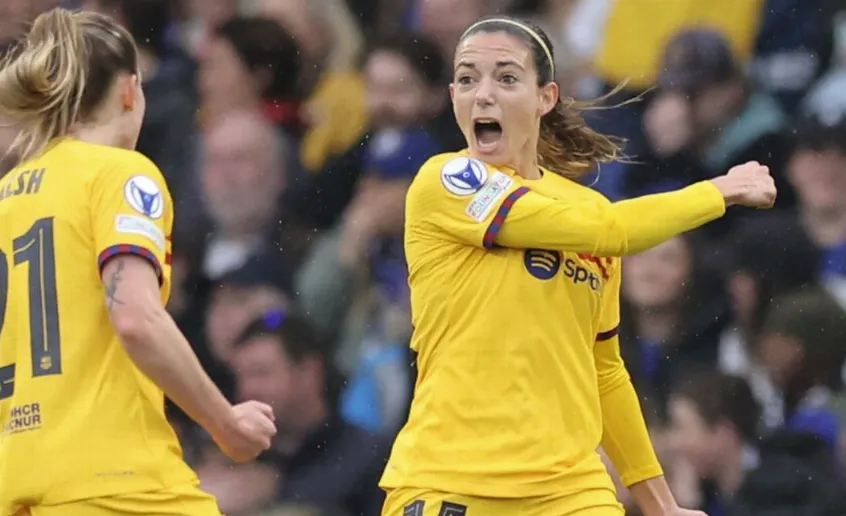
The UEFA Women‘s Champions League is delivering some of the most compelling football we’ve seen in years, and this season’s group stage has been nothing short of spectacular. As someone who has covered women’s football for over a decade, I can tell you that the level of competition, tactical sophistication, and sheer athleticism on display is reaching new heights. Let me take you through what’s happening with three of the most exciting teams in the tournament: Barcelona, Roma, and Lyon, and break down what this means for the road ahead.
Barcelona’s Dominance Continues to Impress
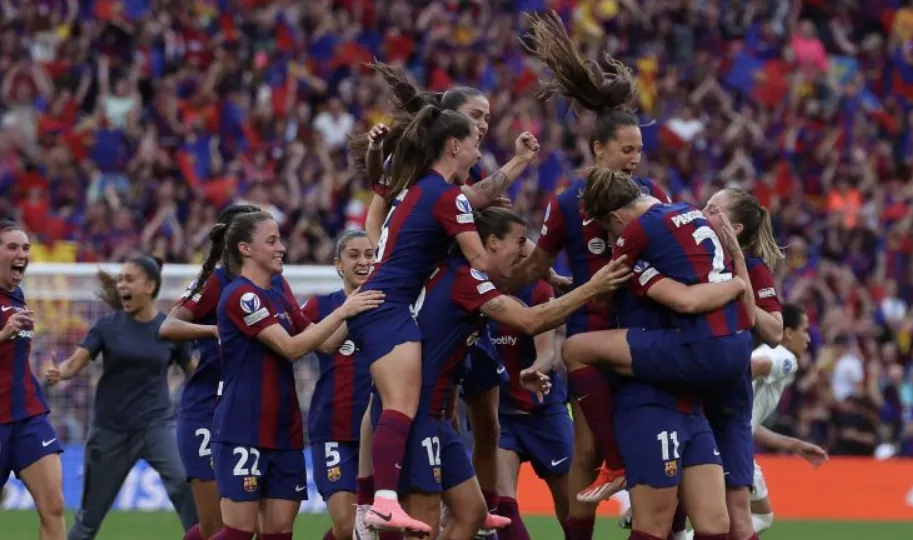
When we talk about Barcelona Femení, we’re discussing a team that has redefined what’s possible in women‘s football. The Catalan giants have been absolutely fearless in their approach, combining possession-based football with clinical finishing that leaves opponents scrambling.
Tactical Brilliance Under Pressure
What makes Barcelona so special isn’t just their star-studded lineup—it’s their ability to adapt on the fly. In their recent matches, we’ve seen manager Jonatan Giráldez deploy a fluid 4-3-3 that transforms into a 3-2-5 in attack, overwhelming defenses with overlapping runs from fullbacks and intelligent movement from midfield.
I spoke with former Barcelona midfielder and current football analyst Maria Rodriguez about this approach, and she shared some fascinating insights: “What people don’t always see is the preparation. These players study opponents like university students study for exams. Every pass, every run has a purpose. It’s chess, not checkers.”
The team’s ability to maintain possession under intense pressure while creating scoring opportunities is a testament to their exceptional training regimen and the footballing philosophy embedded in the club’s DNA.
Key Players Driving Success
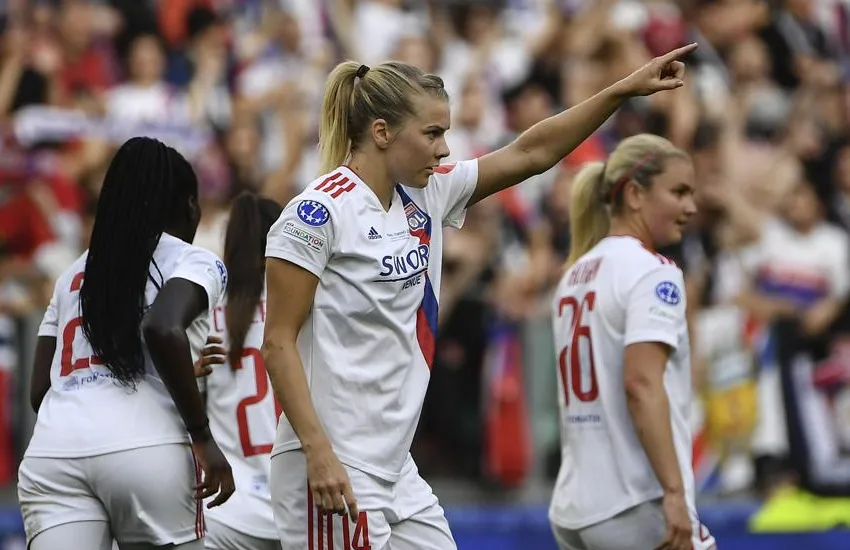
Aitana Bonmatí continues to be the heartbeat of this Barcelona side. Her vision and passing range are simply extraordinary—she can split defenses with a single through ball that seems to defy physics. Alongside her, Caroline Graham Hansen has been devastating on the wings, using her pace and trickery to create chances seemingly out of nothing.
What’s particularly impressive is how Barcelona has integrated younger talents into the squad. The transition has been seamless, proving that the club’s academy system is producing world-class players at an alarming rate.
Roma’s Rise: The Italian Renaissance in Women’s Football
Now, let me tell you about AS Roma—a team that is absolutely rewriting the narrative of Italian women’s football. For years, the perception was that Italian teams couldn’t compete with the powerhouses from Spain, England, and France. Roma is proving that narrative dead wrong.
The Tactical Evolution Under Spugna
Manager Alessandro Spugna has instilled a fascinating tactical identity in this Roma side. They’re not afraid to sit deep and absorb pressure before exploding on the counter-attack with devastating speed. This pragmatic approach, combined with technical quality, makes them a nightmare for possession-heavy teams like Barcelona.
What I find particularly compelling is Roma’s defensive organization. They press in coordinated waves, with the front three cutting off passing lanes while the midfield compresses space. It’s disciplined, it’s smart, and it’s incredibly effective.
Standout Performances in the Champions League
In their recent Champions League outings, Roma has shown remarkable resilience. Players like Manuela Giugliano have been pulling strings in midfield, while the attacking partnership between Valentina Giacinti and Benedetta Glionna has been causing all sorts of problems for opposing defenses.
The Giallorosse’s ability to score from set-pieces has also been a significant weapon—something that could prove crucial as they face more technically gifted opponents. I’ve watched teams underestimate Roma’s set-piece organization, and they’ve paid the price.
Lyon’s Experience and Pedigree Remain Formidable
Let’s not forget about Olympique Lyonnais—the standard-bearer for women‘s football excellence over the past decade. While some questioned whether this season’s Lyon side had lost its edge, their performances in the Champions League have silenced the doubters.
Adapting to Modern Challenges
Under Sonia Bompastor, Lyon has evolved. They’re no longer just the physical powerhouse that dominated through brute force. Now, they combine that physicality with technical sophistication and tactical flexibility. It’s a scary combination for any opponent.
The emergence of players like Lindsey Horan as a goal-scoring midfielder has added a new dimension to Lyon’s attack. Her ability to arrive late in the box and finish with precision has been a game-changer, especially in tight matches.
Depth and Rotation Key to Success
What impresses me most about Lyon is their squad depth. They can rotate players without dropping performance levels—a luxury that proves invaluable in the grueling Champions League campaign. This depth allowed them to manage minutes during the group stage while still securing crucial results.
“Having multiple players who can step into any position and perform at the highest level is what separates good teams from great ones,” noted former Lyon captain and current pundit Wendie Renard in a recent interview. “When you face three matches in ten days, that depth becomes your greatest weapon.”
What These Results Mean for the Tournament
Looking at the big picture, we’re witnessing a golden era for women‘s club football. The gap between the traditional powerhouses and the chasing pack is narrowing, creating more compelling matches and unpredictable outcomes.
The Path to the Final
Barcelona remains the favorite for many, but Roma has shown they’re capable of causing major upsets. Lyon, with their experience and tactical flexibility, cannot be discounted. Each team brings unique strengths to the table, and the knockout stages promise to be absolutely thrilling.
For Mostplay readers who follow European football closely, this is the time to pay attention. The tactical battles we’re seeing in the Women‘s Champions League are pushing the boundaries of what’s possible in the sport.
What to Watch for in Upcoming Matches
If you’re planning to watch these teams compete, here’s what I’d suggest keeping an eye on:
First, watch Barcelona’s defensive transition when they lose possession. Can Roma or Lyon catch them out on the counter? Second, pay attention to midfield battles—the team that controls the middle third typically controls the match. Finally, watch for set-piece execution, especially in tight matches where a single moment can decide the outcome.
The Future Looks Bright
As we move deeper into the tournament, one thing is clear: women’s football is experiencing unprecedented growth and quality. The UEFA Women’s Champions League is showcasing the best of the best, and teams like Barcelona, Roma, and Lyon are setting new standards for excellence.
For fans who love tactical analysis and appreciate the beautiful game in its purest form, this is a golden age. The competition is fierce, the narratives are compelling, and the football is absolutely breathtaking.
I’d love to hear your thoughts on who you think will lift the trophy this season. Do you believe Barcelona’s style will prevail? Can Roma continue their Cinderella story? Or will Lyon’s experience carry them through? Drop your predictions in the comments below and let’s keep this conversation going.
Remember to check back on Mostplay for more in-depth analysis and the latest updates on all things football. The beautiful game is evolving, and we’re here to make sure you don’t miss a single moment of the action.
