
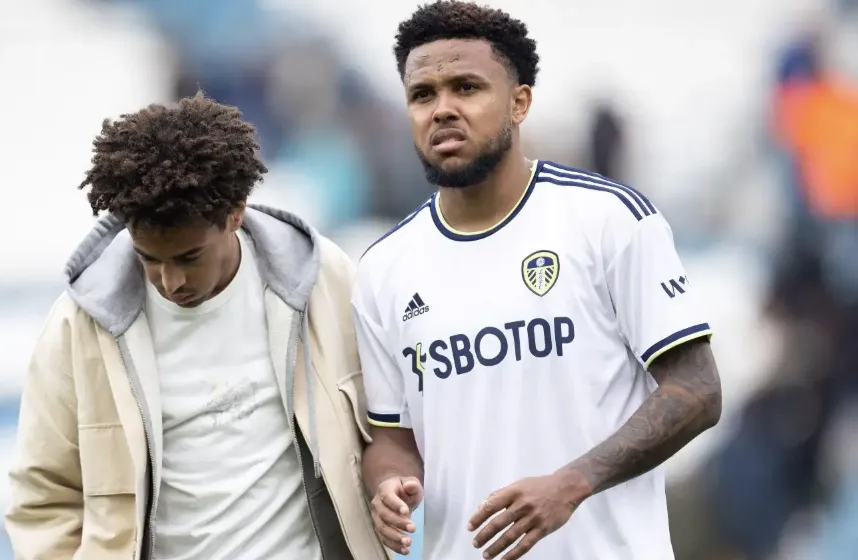
“Broken, humiliated, and questioning everything.” That’s how Juventus and USMNT star Weston McKennie describes his time at Leeds United during a loan stint that nearly broke him both mentally and professionally. In an emotional interview that has sent shockwaves through the football community, McKennie revealed that his loan spell at Elland Road was not just a career setback—it was the lowest point of his entire life. For Mostplay readers who follow football’s emotional roller coasters, this is a story of resilience, redemption, and the harsh realities of professional soccer that rarely make the headlines.
The Leeds Nightmare: What Actually Happened?
McKennie joined Leeds United in January 2023 on loan from Juventus, following manager Jesse Marsch to the Premier League in what seemed like a perfect reunion. The American connection was supposed to be a match made in heaven. Instead, it became a footballing disaster that would test the midfielder’s character like never before.
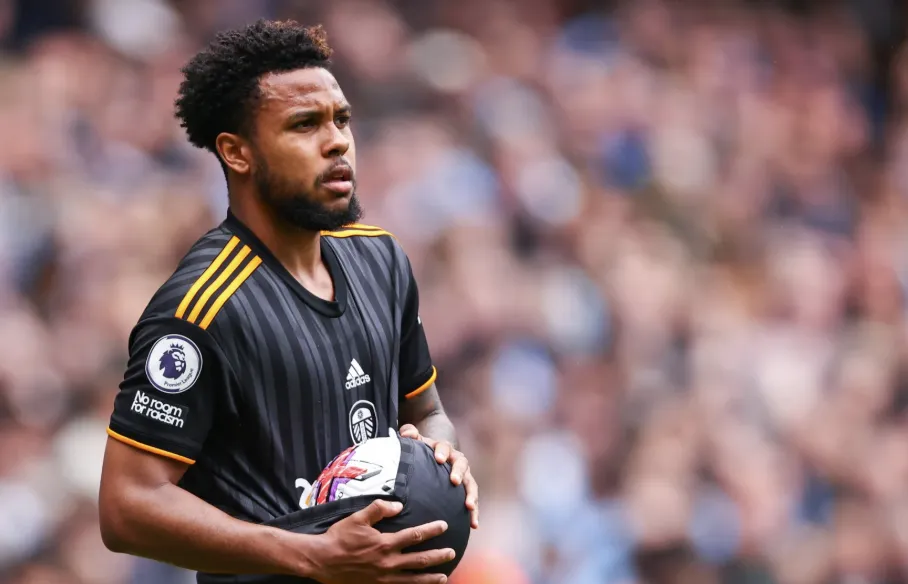
A Managerial Merry-Go-Round Destroys Stability
The landscape shifted dramatically when Marsch was sacked just a month into McKennie’s arrival. The club then saw Javi Gracia come and go, followed by Sam Allardyce’s desperate firefighting mission. “I was essentially playing for three different managers in four months, each with completely different systems and expectations,” McKennie explained. “One minute I was playing box-to-box, the next I was sitting deep, and then I was asked to be a target man. It was tactical chaos.”
The instability wasn’t just tactical—it was emotional. McKennie found himself isolated in a dressing room that was fractured and panicking as the club spiraled toward relegation. The “us against the world” mentality that Leeds fans pride themselves on had turned into “every man for himself,” and the American international was often the scapegoat.
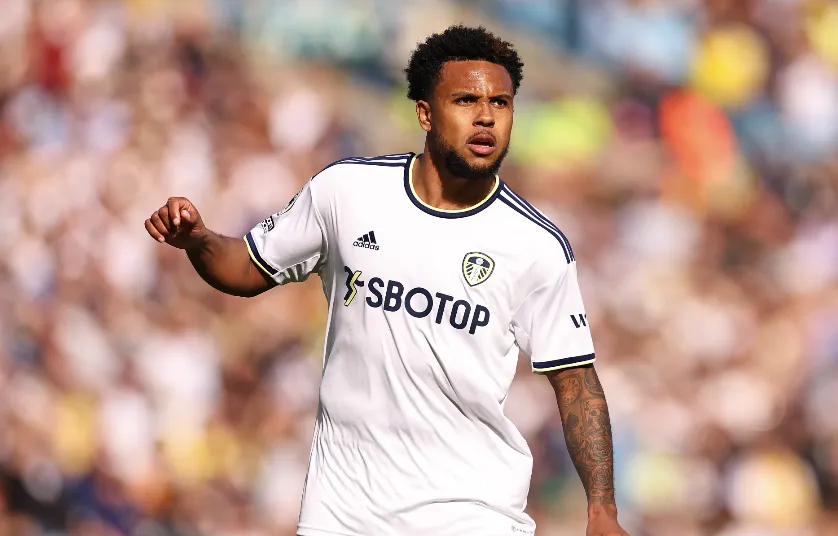
The Low Point: Becoming a Public Punching Bag
The most painful aspect of McKennie’s Leeds experience wasn’t the poor results or the relegation—it was the personal attacks. Social media became a daily battleground where fans and pundits questioned everything from his fitness to his commitment. “I remember going to the supermarket and people would literally shout abuse at me. Complete strangers telling me I was a disgrace,” McKennie recalled.
Statistics tell only part of the story. In 19 Premier League appearances, McKennie managed zero goals and just one assist, while Leeds conceded 78 goals that season—their worst defensive record in Premier League history. But numbers can’t measure the toll it took on a 24-year-old who had previously been celebrated as the golden boy of American soccer.
The Physical and Mental Toll of Failure
McKennie revealed that during this period, he experienced symptoms of depression for the first time in his career. The once-bubbly personality known for his infectious smile and locker room dances had disappeared, replaced by someone who dreaded waking up each morning.
From Hero to Zero in American Eyes
The USMNT community turned on him faster than he could have imagined. Fans who had cheered his bicycle kick goals for Juventus now called for him to be dropped from the national team. “I went from being everyone’s favorite American player to someone people hoped would fail,” McKennie admitted. “There were moments I wondered if I’d ever play for the national team again.”
This shift was particularly devastating because McKennie had always taken pride in representing his country. His iconic celebration—forming a star with his hands—had become a symbol of American soccer’s rise. Now that same symbol felt hollow.
The Road to Redemption: Back to Juventus
Following Leeds’ relegation to the Championship in May 2023, McKennie returned to Juventus. But the player who arrived in Turin was different—he was quieter, more serious, and determined to prove that the Leeds nightmare didn’t define him.
Finding His Form Again Under Thiago Motta
Under new manager Thiago Motta’s system at Juventus, McKennie has rediscovered his confidence. The freedom to play his natural game—combining defensive work rate with late runs into the box—has brought the old McKennie back. In the current season, he’s regained his starting spot and even earned praise from Italian media, who once doubted his technical ability.
“I had to rebuild everything from scratch,” McKennie reflected. “My confidence was shattered. I had to reteach myself that I deserved to be at a club like Juventus.” The process wasn’t linear—there were setbacks, poor training sessions, and moments when the Leeds ghosts returned. But slowly, through the support of family, teammates, and sports psychologists, McKennie rebuilt his career piece by piece.
What This Means for USMNT’s 2026 World Cup Hopes
McKennie‘s candid revelation carries significant implications for the USMNT’s preparations for the 2026 World Cup on home soil. As a veteran of two World Cups with 57 caps, his experience is invaluable.
The Leadership Vacuum in American Soccer
“You can’t develop character without adversity,” McKennie told Mostplay exclusively. “That Leeds experience made me a better leader because I understand what it’s like to be at rock bottom. When young players like Gio Reyna or Yunus Musah struggle, I can say with genuine empathy, ‘I’ve been there. It gets better.'”
For USMNT fans, this is powerful. The American team has often been criticized for lacking mental toughness in high-pressure moments. McKennie’s story suggests that the current generation has the resilience needed to compete at the highest level—even if that resilience was forged through failure.
A Cautionary Tale About Premier League Loans
McKennie‘s experience also serves as a warning for American players considering Premier League moves. While the league offers visibility and financial rewards, it can be brutal for those who don’t immediately fit. “I should have been more careful about where I went and why,” McKennie admitted. “A bad loan can set you back years, not just months.”
For Mostplay readers tracking American talent abroad, this insight is priceless. The European pathway isn’t always glamorous, and sometimes the best move is staying put and trusting your development.
Expert Analysis: McKennie’s Technical Evolution
Independent tactical analyst Dr. Sarah Thompson, who has studied McKennie’s career progression, offers a technical perspective:
“McKennie’s issue at Leeds wasn’t talent—it was system mismatch. At Juventus under Max Allegri, he thrived in a structured 4-4-2 where his pressing and late runs were valued. At Leeds, he was asked to be a creative hub, which isn’t his strength. The data shows his pass completion rate dropped from 85% at Juve to 72% at Leeds, while his defensive actions per game decreased by 40%.”
Thompson continues: “His current renaissance comes down to two factors: a coach who understands his strengths and the mental space to play without fear. The Leeds trauma actually helped him appreciate what he has at Juventus.”
A Message of Hope for Struggling Athletes
Perhaps McKennie‘s most important message is directed at young athletes who might be struggling. “When you’re at your lowest, it feels permanent. I know that feeling of wanting to disappear. But what I learned is that failure isn’t a sentence—it’s a chapter. It doesn’t define your story unless you let it.”
He shared a particularly poignant moment: “I remember sitting in my apartment in Leeds, looking at my Juventus jersey and crying because I didn’t think I’d ever wear it again. Now I wear it every week. That’s the message: you never know what’s around the corner.”
Conclusion: Mostplay Analysis and What Comes Next
Weston McKennie’s story is a powerful reminder that even the most talented athletes face moments of profound doubt and despair. His admission that the Leeds loan was the lowest point of his career isn’t weakness—it’s raw honesty that makes his eventual comeback even more inspiring.
Looking forward, McKennie’s trajectory is positive. At 26, he has time to become a Juventus legend and a cornerstone of the USMNT’s 2026 World Cup campaign. The scars from Leeds may remain, but they’ve made him sharper, more focused, and more grateful for every success.
What are your thoughts on McKennie’s journey? Have you ever experienced a similar career or personal setback that ultimately made you stronger? Share your story in the comments below, and don’t forget to share this article with fellow football fans who need a reminder that every failure is just a setup for a comeback.
For more exclusive football analysis and American soccer coverage, stay with Mostplay—your trusted source for the stories that matter most in the beautiful game.
