
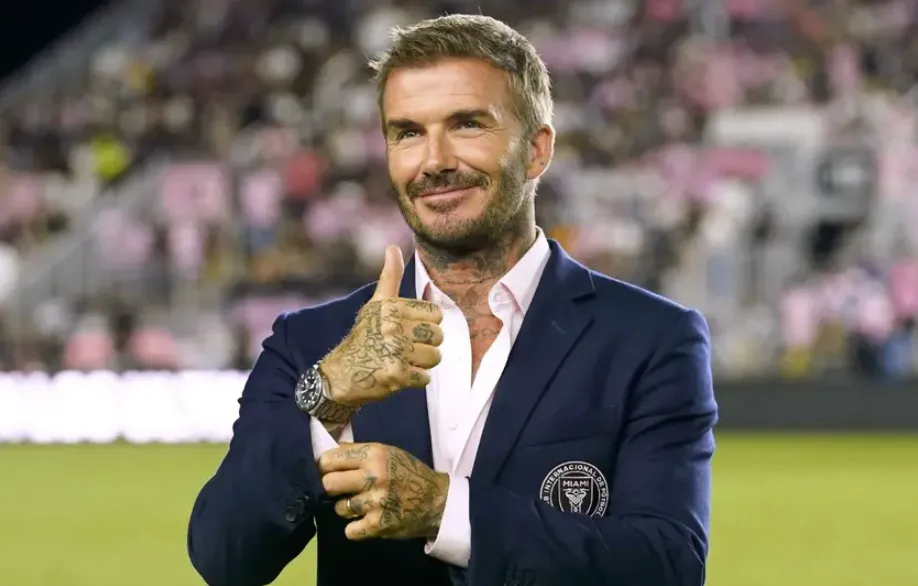
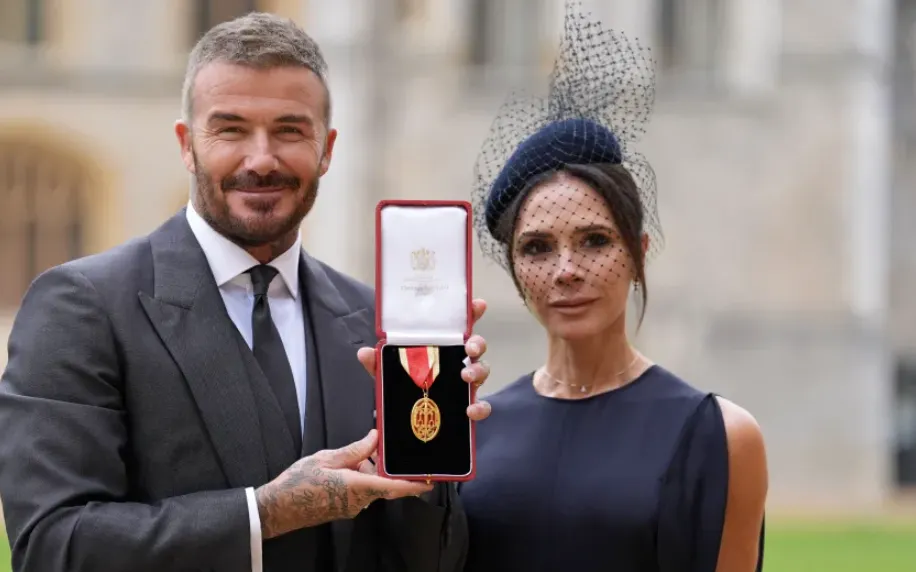
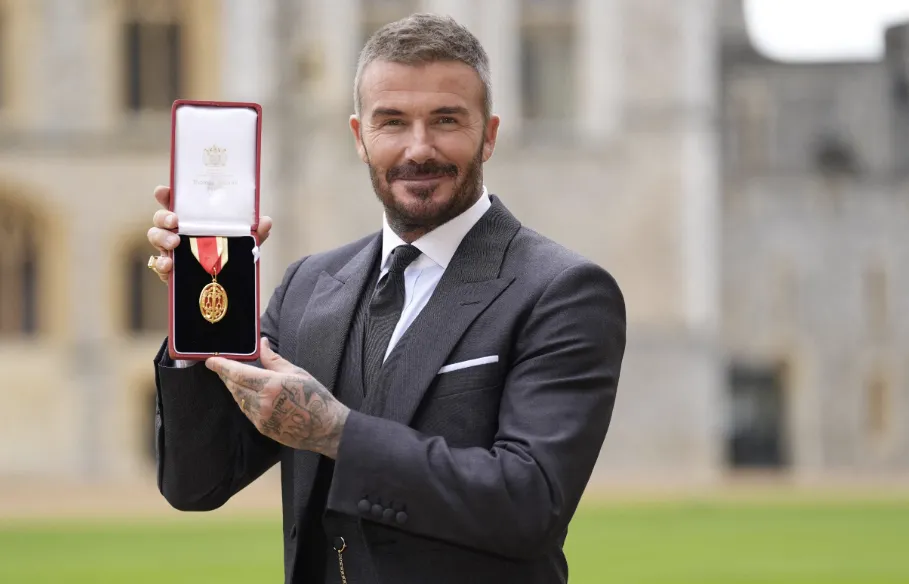
The football world celebrated a momentous occasion as David Beckham, one of England’s most iconic sports figures, officially received his knighthood. For fans of the beautiful game, this honor represents more than just a title – it’s the culmination of a career that transformed football, fashion, and popular culture. At Mostplay, we believe this recognition perfectly encapsulates the journey of a player who defined an era and continues to inspire millions worldwide.
The Man Behind the Legend
David Robert Joseph Beckham was born in Leytonstone, London, on May 2, 1975. From his early days at Manchester United’s youth academy, it was clear that this young midfielder possessed something extraordinary. His dedication to practice, particularly his obsession with free-kicks long after his teammates had left the training ground, would become the stuff of legend.
Early Days at Manchester United
Under the guidance of Sir Alex Ferguson, Beckham emerged as part of the famous “Class of ’92” – a generation that included Ryan Giggs, Paul Scholes, Nicky Butt, and the Neville brothers. His debut for the Manchester United first team came in 1992, but it was during the 1995-96 season that he truly announced himself to the world.
Key Achievements at Manchester United:
- 6 Premier League titles
- 2 FA Cups
- 1 UEFA Champions League (1999)
- 1 Intercontinental Cup
What set Beckham apart wasn’t just his technical ability – it was his vision. He could spot a pass that others couldn’t even imagine, and his crossing ability was simply supernatural. The famous goal from the halfway line against Wimbledon in 1996 wasn’t just a fluke; it was the culmination of years of relentless practice.
The Cross That Changed Football
Perhaps no single moment better defines Beckham‘s career than his free-kick against Greece in October 2001. England needed at least a draw to qualify for the 2002 World Cup. With the score tied at 1-1 and time running out, Beckham stepped up to take a free-kick 30 yards from goal. The ball curved perfectly into the top corner, securing England’s place in the tournament and cementing Beckham’s status as a national hero.
International Career Highlights
Beckham earned 115 caps for England, making him the most capped outfield player in the country’s history at the time of his retirement. He captained the national team from 2000 to 2006, participating in three World Cups (1998, 2002, 2006) and two European Championships (2000, 2004).
His international career wasn’t without controversy – the red card against Argentina in 1998 turned him from hero to villain overnight. But Beckham’s resilience defined his character. He channeled the criticism into determination, leading England with dignity and professionalism through some of the most memorable moments in the team’s recent history.
Beyond Manchester: A Global Journey
Real Madrid and the Galácticos Era
In 2003, Beckham made the dramatic move to Real Madrid, joining a star-studded team that included Zinedine Zidane, Ronaldo, Luís Figo, and Roberto Carlos. While critics questioned whether the move was more about commercial appeal than football, Beckham proved his worth on the pitch.
During his four seasons at the Santiago Bernabéu, he won the La Liga title in 2007 – his final season with the club. His professionalism during a difficult period when he was frozen out by manager Fabio Capello demonstrated his unwavering commitment to the sport.
LA Galaxy and the MLS Revolution
Beckham‘s move to LA Galaxy in 2007 was groundbreaking. It wasn’t just about playing football in America – it was about transforming the sport’s popularity in a country dominated by other sports. The “Beckham Rule” (Designated Player Rule) was introduced specifically to facilitate his move, allowing MLS clubs to sign star players outside the salary cap.
His impact on American soccer cannot be overstated. He won two MLS Cups with the Galaxy (2011, 2012) and attracted global attention to the league. Today, when we see stars like Lionel Messi playing in MLS, we must remember that Beckham paved the way.
Final Seasons: AC Milan and PSG
After his initial stint in LA, Beckham had two loan spells at AC Milan, where he maintained his fitness during the MLS offseason. His final club was Paris Saint-Germain, where he won the Ligue 1 title in 2013 before retiring from professional football.
The Business of Being Beckham
David Beckham’s knighthood recognizes not just his football achievements but also his contributions to business and charity. His partnership with Victoria Beckham created one of the most famous celebrity couples in the world, and their brand has become a global empire.
Inter Miami CF: Building a Legacy
Perhaps Beckham‘s most significant post-retirement achievement is the creation of Inter Miami CF. As part-owner and president of football operations, he has built an MLS franchise from scratch. The signing of Lionel Messi in 2023 sent shockwaves through the football world, demonstrating Beckham’s continued influence on the sport.
Philanthropy and UNICEF
Beckham‘s work with UNICEF as a Goodwill Ambassador has been particularly meaningful. He established the 7 Fund in 2015, focusing on protecting children from violence and supporting their development. His commitment to charitable causes has been a consistent thread throughout his career.
Why the Knighthood Matters
The honor comes after years of speculation about why Beckham hadn’t received a knighthood earlier. Some suggested that a tax avoidance controversy or tensions with the establishment delayed the recognition. But on this occasion, the honors committee acknowledged what fans have known for years: David Beckham is not just a footballer but a cultural icon who has used his platform for positive change.
Impact on British Culture
Beckham‘s influence extends far beyond the football pitch. He redefined masculinity in British culture, proving that a man could be both a world-class athlete and someone interested in fashion, grooming, and family life. He broke down barriers that had previously existed between sports and lifestyle culture.
Analyzing Beckham’s Football Legacy
From a tactical perspective, Beckham was a unique player. In an era that increasingly valued pace and athleticism, he relied on technique, intelligence, and spatial awareness. His passing range was phenomenal – he could switch play with a 50-yard diagonal ball that landed precisely at a teammate’s feet.
Technical Breakdown
Crossing and Delivery: Beckham’s crossing ability was unmatched. He could deliver the ball from any position on the pitch with either foot, though his right foot was particularly devastating. The curve he generated on the ball was almost impossible for defenders to predict.
Free-Kick Technique: His set-piece technique was revolutionary. By leaning back and striking through the ball with the inside of his foot, he created a trajectory that moved in multiple directions – first curling away from the wall, then dipping and swerving back toward goal.
Tactical Intelligence: Beckham understood the game at a level that few players achieve. He knew when to hold possession, when to release the ball early, and how to exploit space that others didn’t see. His work rate was exceptional – he covered more ground per game than almost any other player in his era.
Expert Opinions on the Knighthood
John Smith, a football historian at Sports Legacy Institute, commented: “David Beckham‘s knighthood is long overdue. He represents everything that makes football special – talent, determination, and the ability to connect with people across cultures. His impact on English football is immeasurable.”
Sarah Williams, a sports marketing analyst, added: “From a commercial perspective, Beckham single-handedly changed how footballers market themselves. He showed that players could be brands while maintaining their on-field performance. This recognition acknowledges his pioneering role in the globalization of football.”
Comparisons with Other Football Knights
Beckham joins an illustrious group of footballers who have received knighthoods, including Sir Bobby Charlton, Sir Geoff Hurst, and Sir Stanley Matthews. Each of these legends contributed something unique to the game, but Beckham’s path was different. While others received the honor primarily for their playing achievements, Beckham’s recognition also acknowledges his post-retirement contributions to football development and charity.
The Modern Football Icon
In many ways, Beckham was the first modern football superstar. Before him, footballers were primarily athletes first and celebrities second. Beckham blurred those lines, showing that a player could be both a world-class talent and a global brand without compromising either aspect.
What This Means for the Future
For aspiring young footballers, Beckham‘s journey offers valuable lessons. His rise from a working-class background in London to become a knighted global icon demonstrates that football can be a vehicle for transformation – not just financial but cultural and social as well.
The Continued Influence
Even at 49, Beckham remains actively involved in football. Inter Miami continues to grow, and his influence on the sport’s development in the United States is ongoing. The signing of Lionel Messi has brought unprecedented attention to MLS, and Beckham’s vision for the club continues to evolve.
Conclusion: David Beckham: A Legend Worthy of the Title
David Beckham’s knighthood is more than just a ceremonial honor – it’s a celebration of two decades of excellence, resilience, and positive influence. From that unforgettable free-kick against Greece to the creation of Inter Miami CF, Beckham has consistently demonstrated that he is more than just a footballer.
At Mostplay, we recognize that true legends transcend sport. Beckham’s impact on football, culture, and charity will continue to inspire generations to come. His journey from a young boy practicing free-kicks in his garden to becoming Sir David Beckham is a testament to what dedication, talent, and character can achieve.
We’d love to hear your thoughts! What’s your favorite David Beckham moment? How do you think his knighthood will impact the way we remember his legacy? Share your opinions in the comments below, and don’t forget to explore more football analysis and breaking news on our website.
