
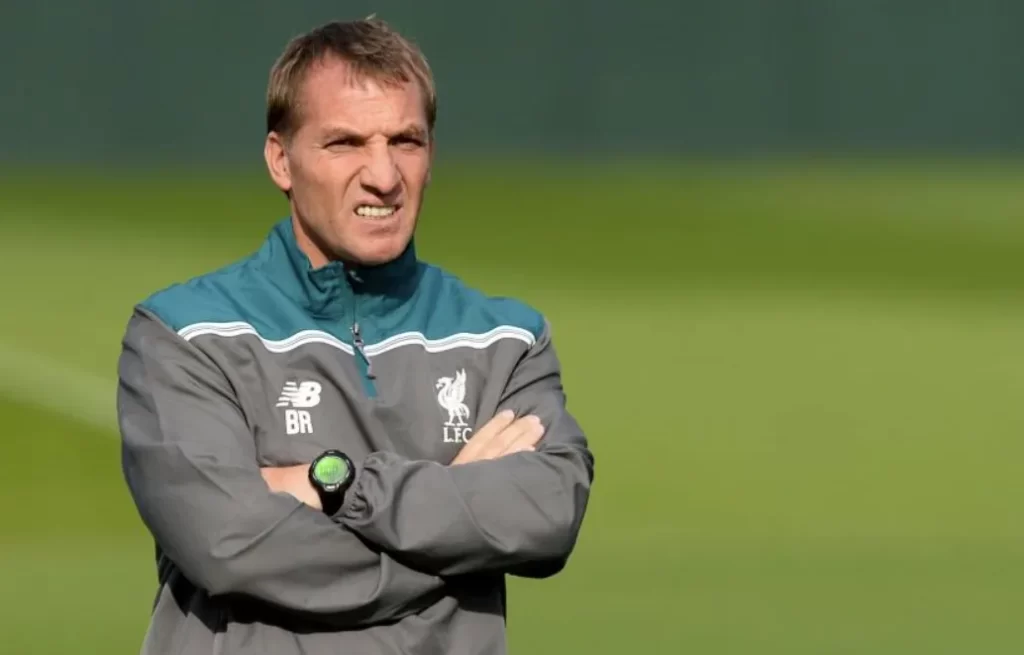
In the high-stakes world of Premier League football, managerial changes are often as strategic as they are emotional. One of the most significant yet costly decisions in Liverpool FC’s recent history was the sacking of manager Brendan Rodgers in October 2015. According to recent financial reports, the club paid a staggering £15 million in compensation to part ways with the Northern Irishman. This move, while expensive, paved the way for a new era under Jurgen Klopp, ultimately reshaping the club’s destiny. Let’s dive deep into the context, the financial implications, and the legacy of this pivotal moment at Anfield.
The Context: Why Liverpool Decided to Let Rodgers Go
A Promising Start That Faded Away
When Brendan Rodgers took over from Kenny Dalglish in 2012, he brought a fresh, possession-based philosophy to Liverpool. His first season showed promise, but it was the 2013-14 campaign that truly electrified the football world. With the deadly trio of Luis Suárez, Daniel Sturridge, and Raheem Sterling, Liverpool came agonizingly close to winning their first Premier League title, only to slip against Chelsea and draw with Crystal Palace. The infamous “slip” by Steven Gerrard against Chelsea became a painful memory, but the team’s attacking flair had fans dreaming of glory.
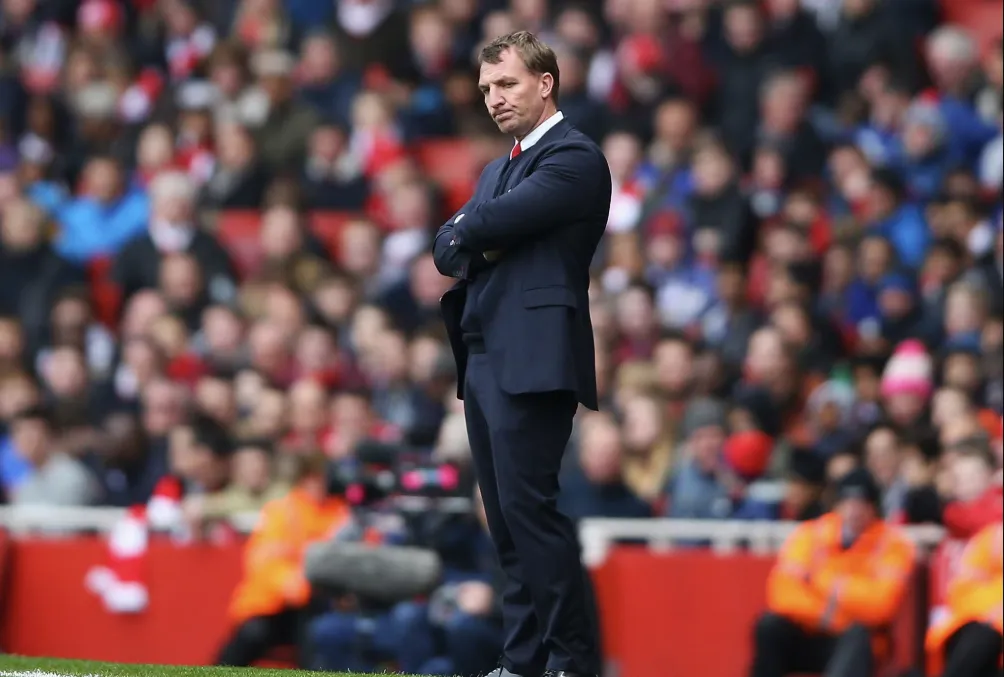
However, the departure of Suárez to Barcelona in the summer of 2014 was a massive blow. Despite reinvesting the £75 million fee on players like Mario Balotelli, Adam Lallana, and Dejan Lovren, Rodgers struggled to replicate the previous season’s magic. The 2014-15 campaign saw Liverpool finish sixth, a far cry from the title challenge of the year before.
The Final Straw: A Disastrous Start to the 2015-16 Season
The 2015-16 season began with high hopes, but it quickly turned sour. After ten league games, Liverpool sat in 10th place with only 12 points. The crushing 3-0 defeat at Watford in September 2015 was a stark reminder of how far the team had fallen. Worse still, the team’s performances lacked identity and energy. The board, led by owners Fenway Sports Group (FSG), felt a change was necessary to avoid slipping into mediocrity.
In October 2015, after a 1-1 draw with Everton in the Merseyside derby, FSG made the call. Rodgers was dismissed, leaving Anfield with a mixed legacy of almost-winning and underwhelming returns.
The £15 Million Compensation: Breaking Down the Cost
Why the Payout Was So High
When a manager is sacked, clubs are typically required to pay the remaining value of their contract. Rodgers had signed a new four-year deal in May 2014, which was reportedly worth around £5 million per year. At the time of his dismissal, roughly three and a half years remained on that contract. Negotiations between Liverpool and Rodgers’ representatives resulted in a settlement of £15 million, covering wages, bonuses, and other clauses.
This figure made headlines not just for its size but for what it represented: a costly mistake in managerial planning. Dr. James Harrison, a sports finance analyst at Liverpool Hope University, commented at the time, “It’s a significant sum, but when you consider the cost of missing out on Champions League revenue year after year, it’s a calculated gamble. Liverpool were betting on a new manager to turn things around quickly.”
Comparison with Other Premier League Manager Payouts
To put this in perspective, here are a few other notable compensation packages in Premier League history:
- José Mourinho (Chelsea, 2015): Approximately £9.5 million
- Claudio Ranieri (Leicester, 2017): Around £3 million
- Unai Emery (Arsenal, 2019): Approximately £7 million
Liverpool’s £15 million payout was, at the time, among the highest in the league. It reflected the club’s desperation to correct course and the long-term commitment they had made to Rodgers just 18 months earlier.
The Aftermath: A New Era Begins
Klopp’s Arrival and Immediate Impact
Just days after Rodgers’ departure, Liverpool announced the appointment of Jurgen Klopp. The charismatic German manager had previously led Borussia Dortmund to two Bundesliga titles and a Champions League final. His arrival was met with enormous excitement, and the Mostplay community, a thriving hub for football fans in South Asia, was buzzing with predictions about a new golden era at Anfield.
Klopp’s first season saw Liverpool reach the Europa League and League Cup finals, losing both, but his high-energy “gegenpressing” style quickly won over the fans and players. The compensation paid to Rodgers began to look like a wise investment as the team’s quality improved rapidly.
The Long-Term Payoff
While £15 million is a lot of money, the returns under Klopp were spectacular. Within three years, Liverpool won the Champions League in 2019, followed by their first Premier League title in 30 years in 2020. The financial rewards from these successes—from prize money, increased merchandise sales, and global brand value—far outweighed the initial cost of sacking Rodgers.
As noted by football historian and analyst Sarah Whitmore, “The Rodgers payout was a short-term financial pain for a long-term strategic gain. FSG’s willingness to make that tough call early in the season allowed Klopp to shape the squad his way. It’s a textbook example of how a bold decision can transform a club.”
Lessons Learned: The Managerial Carousel in Modern Football
The Cost of Inertia vs. Action
One of the key takeaways from Liverpool’s decision is that delaying a necessary change can be even more expensive. By acting quickly in October 2015, FSG avoided the risk of another mid-table finish, which would have cost millions in lost revenue. The £15 million compensation was a one-time expense, while a mediocre season could have led to player sales, fan unrest, and a damaged brand.
How Other Clubs Can Apply This
The Rodgers case serves as a cautionary tale for other Premier League clubs. When a manager loses the dressing room or the tactical direction becomes unclear, it’s often better to rip the bandage off quickly. For instance, clubs like Chelsea and Tottenham have frequently changed managers mid-season, sometimes with positive results, but the financial costs can be high. Finding the right balance between patience and decisiveness is crucial.
Conclusion: Liverpool Paid £15 Million Compensation for Sacking Brendan Rodgers – A Gamble That Paid Off
In hindsight, Liverpool’s decision to sack Brendan Rodgers and pay a hefty £15 million compensation was not just a reactive move but a strategic one. While it raised eyebrows at the time, the club’s subsequent transformation under Jurgen Klopp proved that sometimes you have to spend money to make money. The Rodgers era was not a failure—he built the foundations for a title-challenging side—but he wasn’t the man to take them all the way.
For fans and analysts, this story remains a fascinating case study in football management economics. What do you think? Was the compensation justified given the results that followed? Share your thoughts in the comments below, and don’t forget to explore more of our deep dives into football’s most pivotal moments on Mostplay. Let’s keep the conversation going!
