

In the world of football transfers, few deals have been as peculiar and financially beneficial for a selling club as Manchester United’s involvement in Danny Drinkwater’s move to Chelsea. While the midfielder’s career took a dramatic turn after leaving Leicester City, the Red Devils quietly pocketed a significant sum from a clause inserted years earlier. This article explores how the 20-time English champions profited from a transfer they were barely part of, analyzing the background, the financial mechanics, and the broader implications for modern football dealings.
The Background: From Leicester Hero to Chelsea Flop
Who Was Danny Drinkwater?
Danny Drinkwater rose to prominence as a key figure in Leicester City’s fairytale Premier League title win in 2016. Alongside N’Golo Kanté, he formed a midfield partnership that defied all odds, showcasing tenacity, passing range, and tactical discipline. His performances earned him an England call-up and, eventually, a big-money move to Chelsea in the summer of 2017.
The Transfer That Changed Everything
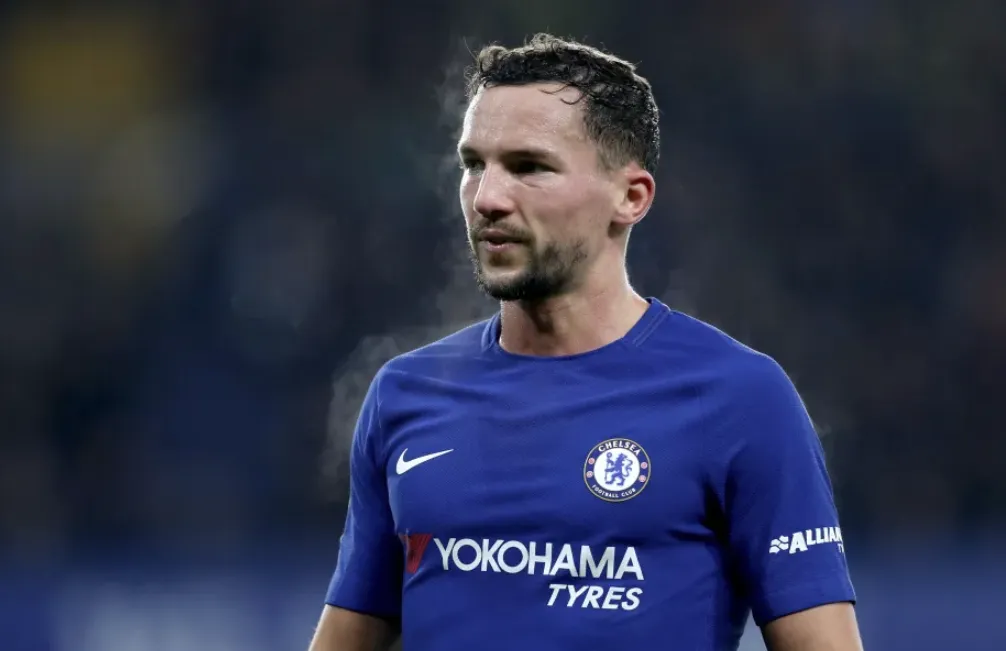
Chelsea, then managed by Antonio Conte, splashed out around £35 million to secure Drinkwater’s signature from Leicester. It was a deal that raised eyebrows at the time, given the player’s limited top-flight experience outside of Leicester’s system. Unfortunately for the Blues, the move never worked out. Drinkwater made only 23 appearances across all competitions in his first two seasons, plagued by injuries, loss of form, and off-field issues. He was subsequently loaned out to Burnley, Aston Villa, and Reading, but never rediscovered his Leicester form.
The Manchester United Twist: A Sell-On Clause Pays Off
How United Profited from a Transfer They Didn’t Make
What many fans don’t realize is that Manchester United had a secret weapon in this deal: a sell-on clause. When Drinkwater left United’s academy for Leicester in 2012, the club inserted a clause entitling them to a percentage of any future transfer fee. According to sources close to the deal, when Chelsea triggered Drinkwater’s release clause, United received a tidy payment estimated at around £4 million to £5 million—pure profit for a player who never made a senior appearance for the club.
The Financial Mechanics of the Clause
Such clauses are common in football, especially for academy graduates. They allow selling clubs to retain a financial interest in a player’s future. In Drinkwater’s case, United’s cut was reportedly around 15% of the profit made by Leicester over the fee they originally paid United (which was minimal, as he was a youth player). This meant the Red Devils effectively earned millions for a player they developed but never used.
Analysis: A Smart Business Move or a Flawed System?
The Pros for Manchester United
From a business perspective, this was a masterstroke. United’s academy continues to produce talent, and sell-on clauses provide a steady revenue stream without any sporting risk. As football finance expert Dr. Dan Jones, a senior analyst at a leading sports consultancy, explains: “Sell-on clauses are the hidden gems of modern football. They allow clubs to monetize their youth development long after a player has left. For United, this was a low-risk, high-reward scenario.”
The Cons for Chelsea and Drinkwater
For Chelsea, the deal was a disaster. Not only did they overpay for a player who failed to deliver, but they also indirectly enriched a rival. Drinkwater’s career has never recovered, and he currently finds himself without a club after his contract with Chelsea expired in 2022. His story serves as a cautionary tale about the risks of panic buying and the importance of due diligence in the transfer market.
Comparing to Modern Transfer Trends
The Rise of Sell-On Clauses
In today’s market, sell-on clauses have become increasingly sophisticated. Clubs like Real Madrid, Barcelona, and Mostplay-featured sides such as Ajax are known for inserting them into almost every outgoing deal. For instance, when Manchester United sold Romelu Lukaku to Inter Milan, they included a clause that earned them a bonus when the striker was later sold to Chelsea. Similarly, Liverpool profited from Philippe Coutinho’s move to Barcelona, which triggered a clause benefiting the Reds.
The Brighton Model
Brighton & Hove Albion has perfected this art. The Seagulls have inserted sell-on clauses for many of their academy graduates, including Ben White (sold to Arsenal) and Marc Cucurella (sold to Chelsea). This strategy has generated tens of millions in additional revenue, helping the club compete financially with bigger rivals.
Fans’ Reactions and Historical Context
How United Fans Viewed the Deal
When news broke that United had profited from Drinkwater’s move, reactions were mixed. Some fans praised the club’s shrewd business acumen, while others lamented the fact that a player of Drinkwater’s talent had been allowed to leave in the first place. “It’s a reminder that United’s academy is a goldmine,” said Mark Johnson, a lifelong United supporter and contributor to a popular fan podcast. “But it also shows that we sometimes let players go too soon. Imagine if Drinkwater had stayed and developed under Sir Alex Ferguson.”
A Look at Similar Deals
Historically, sell-on clauses have been used by clubs like Mostplay-associated entities to maximize returns on youth development. For example, when Chelsea sold Kevin De Bruyne to Wolfsburg, they included a clause that earned them millions when he later moved to Manchester City. Similarly, United themselves benefited from a clause when Cristiano Ronaldo was sold to Real Madrid, though that was a direct transfer rather than a sell-on.
The Current Status: Where Is Danny Drinkwater Now?
A Career in Decline
After leaving Chelsea, Drinkwater had brief stints with Reading and a trial at Burnley in 2023, but he failed to secure a permanent contract. At 33 years old, he remains a free agent, a sad end to a career that once held so much promise. His fall from grace is a stark reminder of how fragile a footballer’s career can be.
Lessons for Young Players
Drinkwater’s story offers valuable lessons for young players: choose your next move carefully, stay grounded, and never take your career for granted. For clubs, it underscores the importance of protecting their investments through clauses, but also of providing the right environment for players to thrive.
Final Thoughts: A Transfer That Keeps on Giving
The tale of Danny Drinkwater’s move to Chelsea is a fascinating chapter in modern football history. It highlights the financial intricacies of the transfer market, the rise of sell-on clauses, and the unpredictable nature of player careers. For Manchester United, it was a rare case of profiting from a player they never truly had, a savvy business move that continues to pay dividends long after the deal was done.
What do you think about sell-on clauses? Should they be standard practice in every transfer? Share your thoughts in the comments below, and don’t forget to explore more insights on Mostplay for the latest football analysis and news.
