
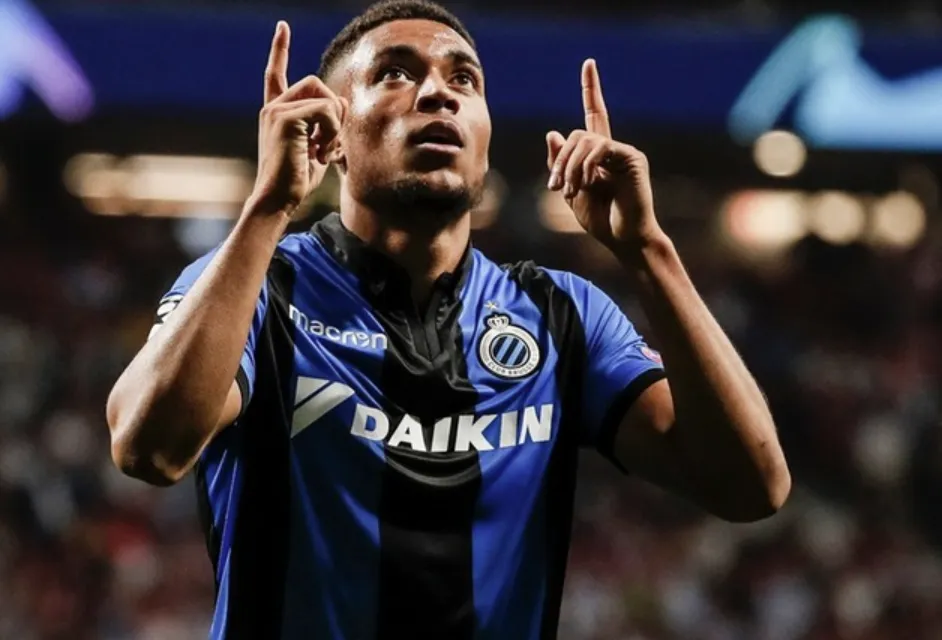
In a world of international football where dual nationality often creates fascinating crossroads, few stories capture the complexity of national team selection quite like that of Arnaut Danjumović. The Villarreal winger, blessed with explosive pace and technical brilliance, has found himself at the center of a tug-of-war between Nigeria and the Netherlands—a situation that continues to intrigue fans and analysts alike. As we delve into this compelling narrative, Mostplay brings you an exclusive analysis of how this talented forward’s international career path unfolded, exploring the tactical, emotional, and strategic dimensions of his decision-making process.
The Rise of a Generational Talent
Early Development in Dutch Football
Born in Nigeria but raised in the Netherlands, Arnaut Danjumović‘s footballing journey began in the famed Dutch youth academies. His development through PSV Eindhoven’s system showcased a player with extraordinary natural ability—combining African flair with European tactical discipline. Scouts across Europe quickly recognized his potential as he progressed through the ranks, displaying remarkable versatility across the attacking front.
Breakthrough at Villarreal
The move to Villarreal marked a significant turning point. Under the guidance of experienced coaches, Danjumović evolved into a more complete player, capable of operating as a left winger, central striker, or attacking midfielder. His dribbling statistics and goal contributions in La Liga drew attention from top clubs, making him one of the most sought-after talents in European football.
The International Dilemma
Nigeria’s Pursuit
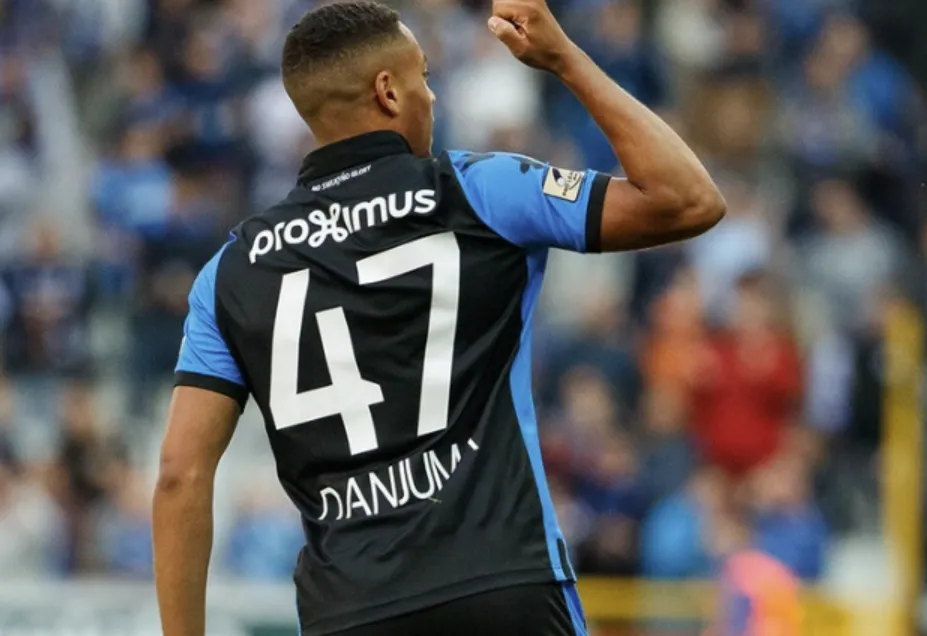
The Nigerian Football Federation (NFF) had long identified Danjumović as a potential game-changer for the Super Eagles. Their aggressive recruitment strategy involved multiple approaches, including direct conversations with the player’s representatives and high-profile intervention from former Nigerian internationals. The allure of representing an African powerhouse with passionate support and a rich footballing heritage presented a compelling case.
Netherlands’ Counter-Offer
On the other side, the Dutch FA (KNVB) demonstrated their interest by inviting Danjumović to their youth setups and maintaining regular contact with his development coaches. The Netherlands offered a structured pathway to senior international football, with the promise of playing alongside world-class talents like Memphis Depay and Frenkie de Jong. However, the competition for places in the Dutch squad was notoriously fierce, particularly among attacking players.
Tactical Analysis by Mostplay Experts
Where Would He Fit Best?
According to our tactical analysts at Mostplay, Danjumović’s playing style presents unique advantages for both nations. For the Netherlands, his ability to stretch defenses would complement their possession-based approach, providing a direct threat against teams that sit deep. For Nigeria, his technical proficiency adds a European dimension to their traditionally powerful and direct style of play.
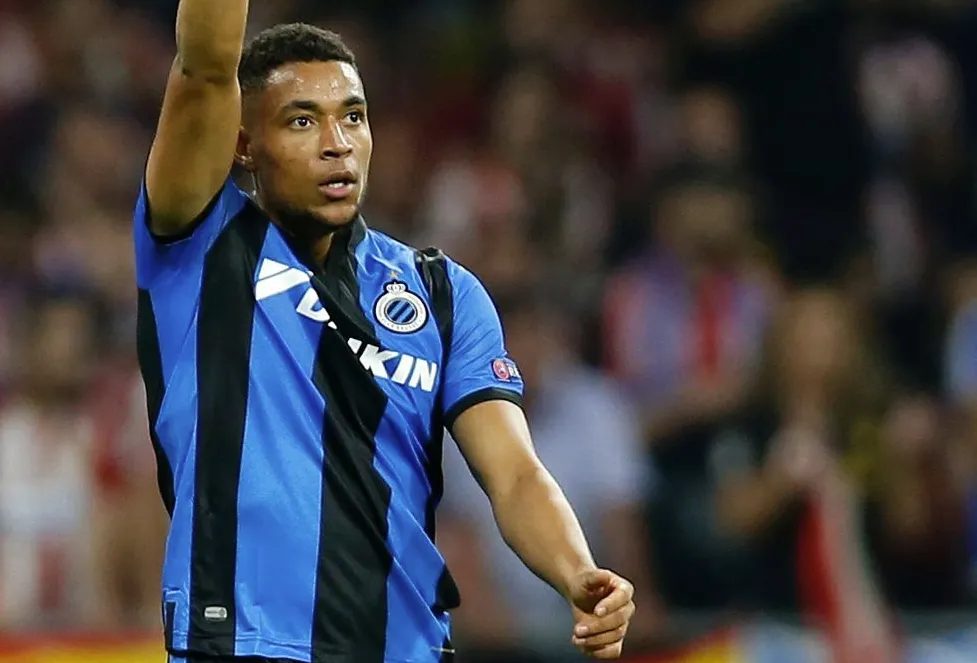
“We’ve seen how players like Wilfried Zaha have struggled with similar decisions, but Danjumović‘s situation is uniquely complex,” explains Michael van der Berg, a former Dutch youth coach familiar with the player’s development. “His profile matches what both teams lack—genuine width and one-on-one ability from the left flank.”
Statistical Comparison
Recent performance metrics reveal Danjumović‘s impressive output:
- Dribbles completed per 90 minutes: 4.2 (among top 10% in La Liga)
- Expected assists (xA): 0.45 per game
- Shot-creating actions: 5.1 per 90 minutes
- Pressure regains in final third: 2.3 per game
These numbers demonstrate why both federations view him as a potential difference-maker at international level.
The Emotional and Cultural Elements
Identity and Belonging
The decision transcends tactical considerations, touching on fundamental questions of identity and belonging. Danjumović has spoken privately about feeling connected to both nations—his Nigerian roots run deep, while his formative years in the Netherlands shaped his football education and worldview.
Friends close to the player describe a thoughtful individual who understands the weight of his choice. “He doesn’t take this decision lightly,” shares a source within his camp. “Every conversation touches on family expectations, personal pride, and the legacy he wants to leave behind.”
Family Influence
Family dynamics play a crucial role in such decisions. Nigerian relatives view his potential selection as a source of national pride, while Dutch connections emphasize the developmental pathway that shaped his career. Balancing these pressures requires remarkable maturity from a young athlete.
Impact on Both National Teams
Nigeria’s Short-Term Needs
The Super Eagles currently lack attacking width with genuine pace and technical refinement. Danjumović‘s inclusion would immediately address this deficiency, providing coach Jose Peseiro with tactical flexibility. His ability to play on either flank or through the center adds depth to an already talented Nigerian forward line featuring Victor Osimhen and Moses Simon.
Netherlands’ Long-Term Planning
For the Netherlands, securing Danjumović would represent a statement of intent—demonstrating their ability to attract dual-nationality talents despite intense competition. His age profile aligns perfectly with the Oranje’s transition phase, offering a bridge between the current generation and future prospects.
Expert Opinions and Predictions
What Former Internationals Say
Former Nigerian international John Utaka offered his perspective: “We’ve seen so many talents slip through our fingers because of administrative delays and lack of clarity. The NFF must act decisively if they truly want him. But ultimately, the player must feel the love and see a clear path.”
Dutch analyst and former international player Wim Jonk added: “The Netherlands has a proud tradition of developing players from diverse backgrounds. We must respect his heritage while showing why wearing Orange holds special significance. It’s about creating an environment where players feel they can achieve their maximum potential.”
Our Analysis at Mostplay
After examining all factors—tactical fit, emotional connections, statistical performance, and career projection—our team believes the decision ultimately rests on communication clarity. Both federations need to present comprehensive plans showing how Danjumović fits into their respective visions for major tournaments.
The Broader Context of Dual-Nationality Football
Global Trends
The Danjumović case reflects a broader global trend where talented players increasingly represent nations other than their birthplace. This phenomenon has enriched international football, creating more competitive teams and fascinating narratives. However, it also raises questions about player welfare and the pressure placed on young athletes making life-altering decisions.
How Other Players Handled Similar Situations
Several notable examples illustrate different approaches:
- Wilfried Zaha: Initially chose England, later switched to Ivory Coast
- Riyad Mahrez: Fully committed to Algeria despite French connections
- Bukayo Saka: Represented Nigeria at youth level before committing to England
Each case demonstrates that there’s no one-size-fits-all solution—personal circumstances, timing, and administrative factors all influence outcomes.
What This Means for Future Talents
Lessons for Young Players
Danjumović‘s situation offers valuable lessons for aspiring footballers with dual nationality. Proper guidance from trusted advisors, patience in decision-making, and understanding the long-term implications are essential. Rushing into commitments without full information can lead to regret later in careers.
Advice for National Federations
Both Nigeria and Netherlands should take notes from this process:
- NFF: Need faster response times and clearer documentation of players’ eligibility
- KNVB: Must improve communication regarding pathway opportunities for dual-nationality talents
Conclusion: Arnaut Danjumović: The Dual-Nationality Talent Lost Between Nigeria and Netherlands – Analysis by Mostplay
As we reflect on this intricate situation, it becomes clear that Arnaut Danjumović represents more than just a talented footballer caught between two nations—he symbolizes the evolving nature of international football in the modern era. His decision will influence not only his career trajectory but also the broader conversation about how nations approach talented dual-nationality players.
We invite you to share your thoughts in the comments below: Which nation do you believe would benefit most from his services? Should players prioritize emotional connections over tactical advantages? Join the discussion and help us understand this fascinating topic from different perspectives. Don’t forget to subscribe to Mostplay for more in-depth football analysis and exclusive content covering the world’s most compelling sporting narratives.
What other dual-nationality situations intrigue you? Let us know, and we’ll provide similar deep dives into those stories!
